LHDN e-Invoice Phase 4 is LIVE — All Malaysian businesses must comply. Check your compliance →
Industries · Steel & Fabrication

Steel & Fabrication: ERP that gets project costing right while the welder is still cutting.

Steel fabrication in Malaysia is a project business — every job is unique, every weld is signed off, every plate has a heat-number that has to survive the audit. Generic ERP lumps steel into 'manufacturing' and breaks the moment a project quote needs a real cost estimate. Daxonet implements D365 SCM with project mode (or AutoCount for SME fabricators), Arcstone MES for the shop floor, and AI predictive maintenance on the heavy assets that — when they go down — stop the job and the invoice.

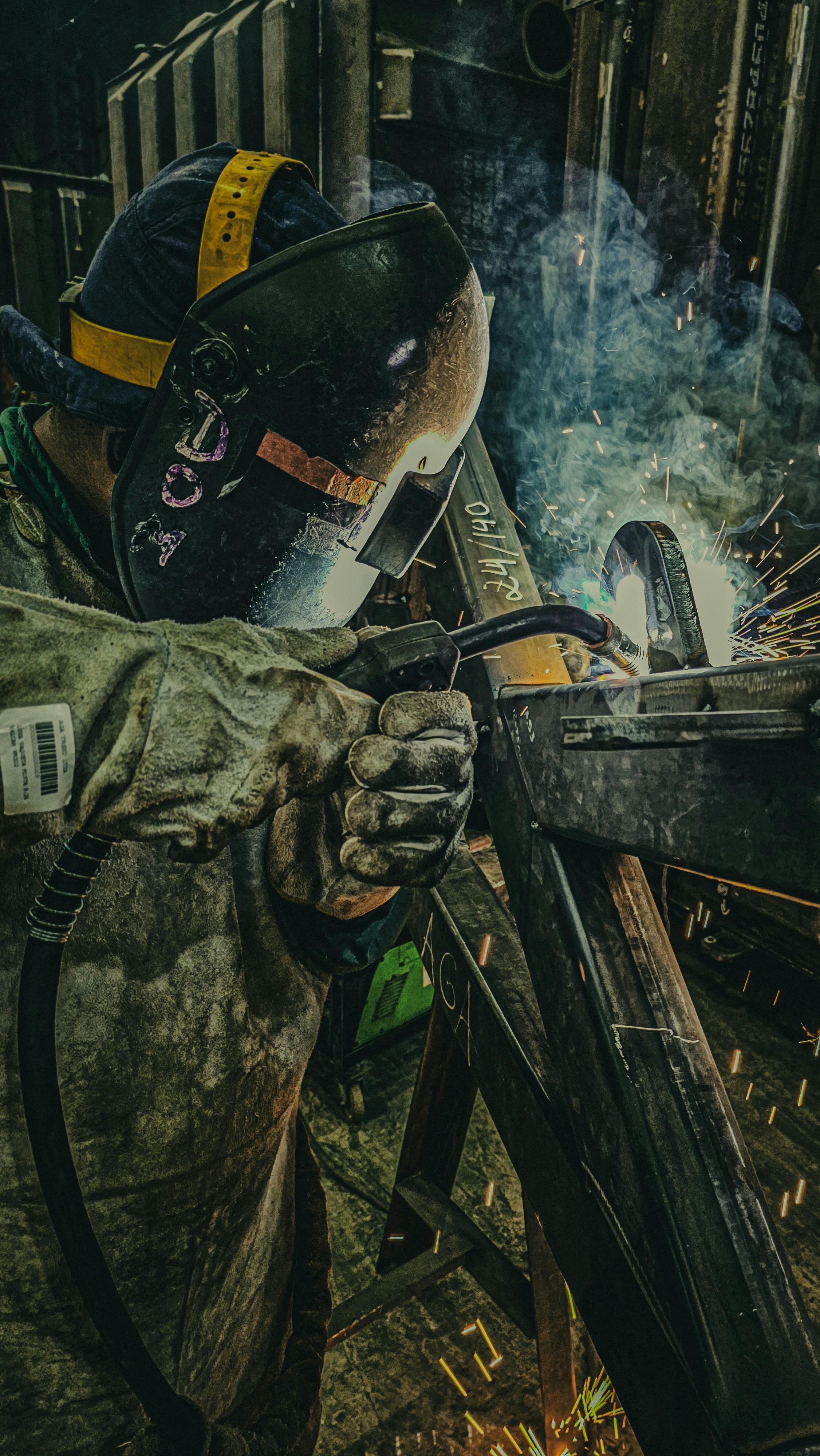
Steel fabrication shop with welding sparks and structural steel components

Daxonet implements ERP and MES for Malaysian steel fabricators across structural steel, oil & gas modules, marine fabrication, power-plant components, and architectural metalwork. The stack uses Microsoft Dynamics 365 SCM in project-manufacturing mode (or AutoCount Accounting with project-extension templates for SMEs) combined with Arcstone ARC.OPS MES configured for fabrication workflows — heat-number traceability, weld procedure (WPS/PQR) capture, project-phase costing, material-yield tracking with nesting optimisation, and AI predictive maintenance on cranes, plasma cutters, presses, and shot-blasters. Engagements run 5-9 months and produce 8-15% material-yield improvement, surgical project-cost visibility, and full Petronas / oil-and-gas customer-audit readiness.

The Reality

Three problems that quietly destroy steel-fabrication margin in Malaysia.

Each one shows up at month-end as a number nobody can explain. The pattern repeats every quarter until the data stack changes.

Project costs land late and wrong.

Quote was RM 2.4M. Final cost lands at RM 2.7M. You learn this two months after handover when it's too late to negotiate. Next bid is still gut-feel.

Material yield is invisible until quarter-end.

Plates are RM 3,000 each. Scrap rate is somewhere between 8% and 14% — you don't know which because you don't measure per-job. Annualised, that's a 7-figure leak.

Heavy-asset breakdowns stop the entire shop.

Overhead crane fails. Whole bay idle. Revenue per day on that bay is RM 80K-150K. Three days down equals one bad quarter. Nobody sees the warning signs.

The Stack

Project-mode ERP. Heat-number traceability. AI on the heavy assets.

Steel fabrication is unlike continuous manufacturing. Every job is a project. The stack has to know that from day one.

Mid-large fabricator

D365 SCM + Project Operations. Project costing, stage billing, retention, multi-entity, multi-currency. Petronas / oil-and-gas grade.

Best for RM 100M+ revenue, multiple concurrent projects, joint ventures.

SME fabrication shop

AutoCount Accounting with project-extension templates. Per-job costing, heat-number tracking, MyInvois progress billing.

Best for under RM 30M revenue, 30-100 staff, project mix.

Shop floor

ARC.OPS MES for fabrication. Weld map, WPS/PQR, heat-number-to-weld traceability, OEE on plasma cutters and presses.

Add to ERP. Free entry path: ARC.LITE.

Capabilities

What project-grade fabrication looks like with the right stack.

Three capabilities, three operator views, all configured before go-live so the data flows correctly from your first signed-off project.
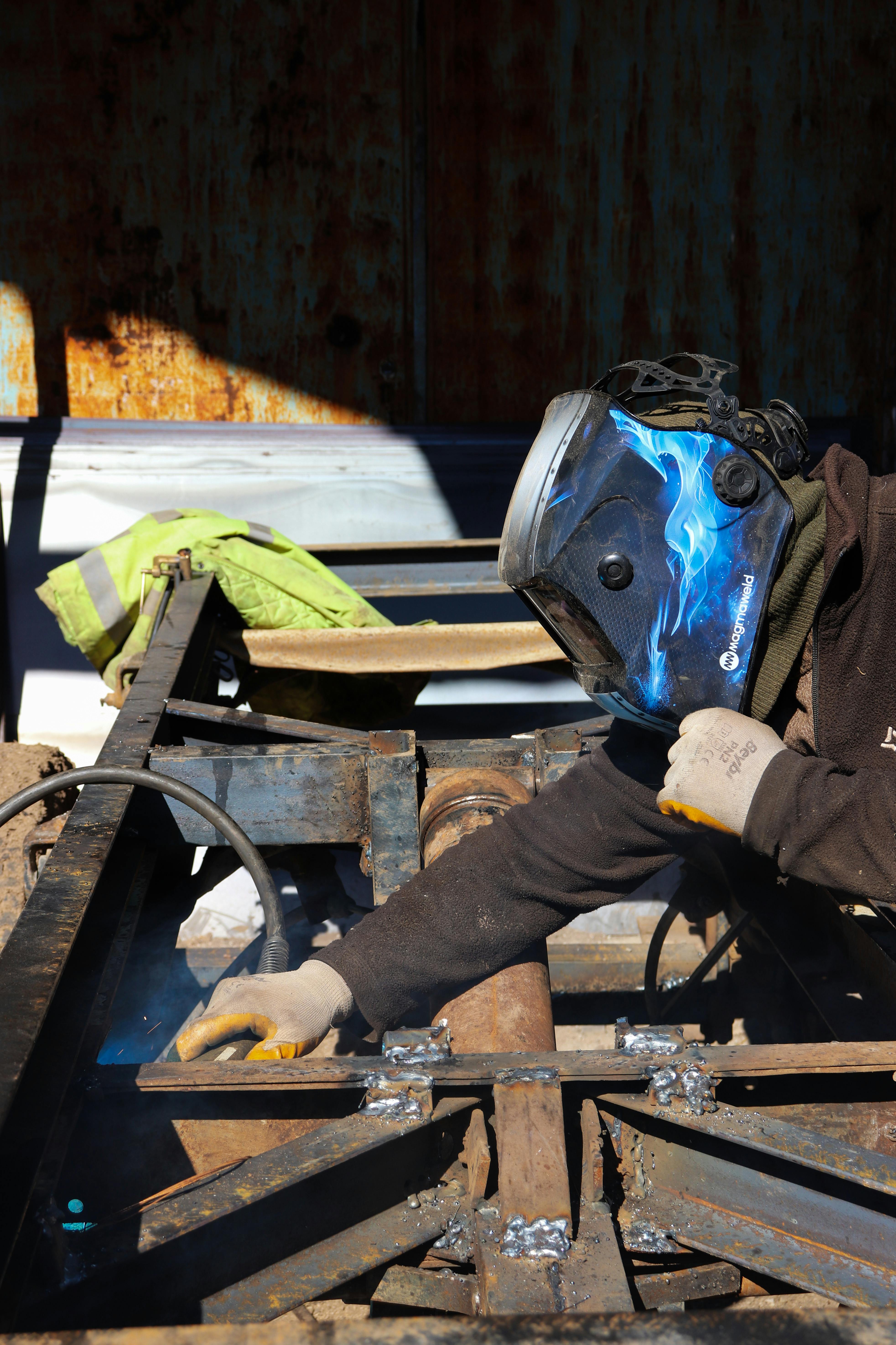
Welder working on structural steel beam
01 · Project-Mode Costing

Every job, costed properly, in real time.

D365 in project mode tracks labour, material, sub-contract, equipment, indirect — by project, by phase. The CFO sees real margin while the welder is still cutting, not three months after handover.

  • ✓ Labour from time capture, not estimation
  • ✓ Material from MES consumption, not BOM theory
  • ✓ Equipment hours from machine telemetry
02 · Material Yield + Nesting

Plate yield, measured per job, attacked monthly.

ARC.OPS captures actual yield per plate against the nest plan. Power BI surfaces who yields best and which jobs scrap most. The 8-14% scrap range narrows fast once it is finally visible.

  • ✓ Per-plate, per-job yield tracking
  • ✓ Operator and supplier yield rankings
  • ✓ Nesting-tool integration for offcut reuse
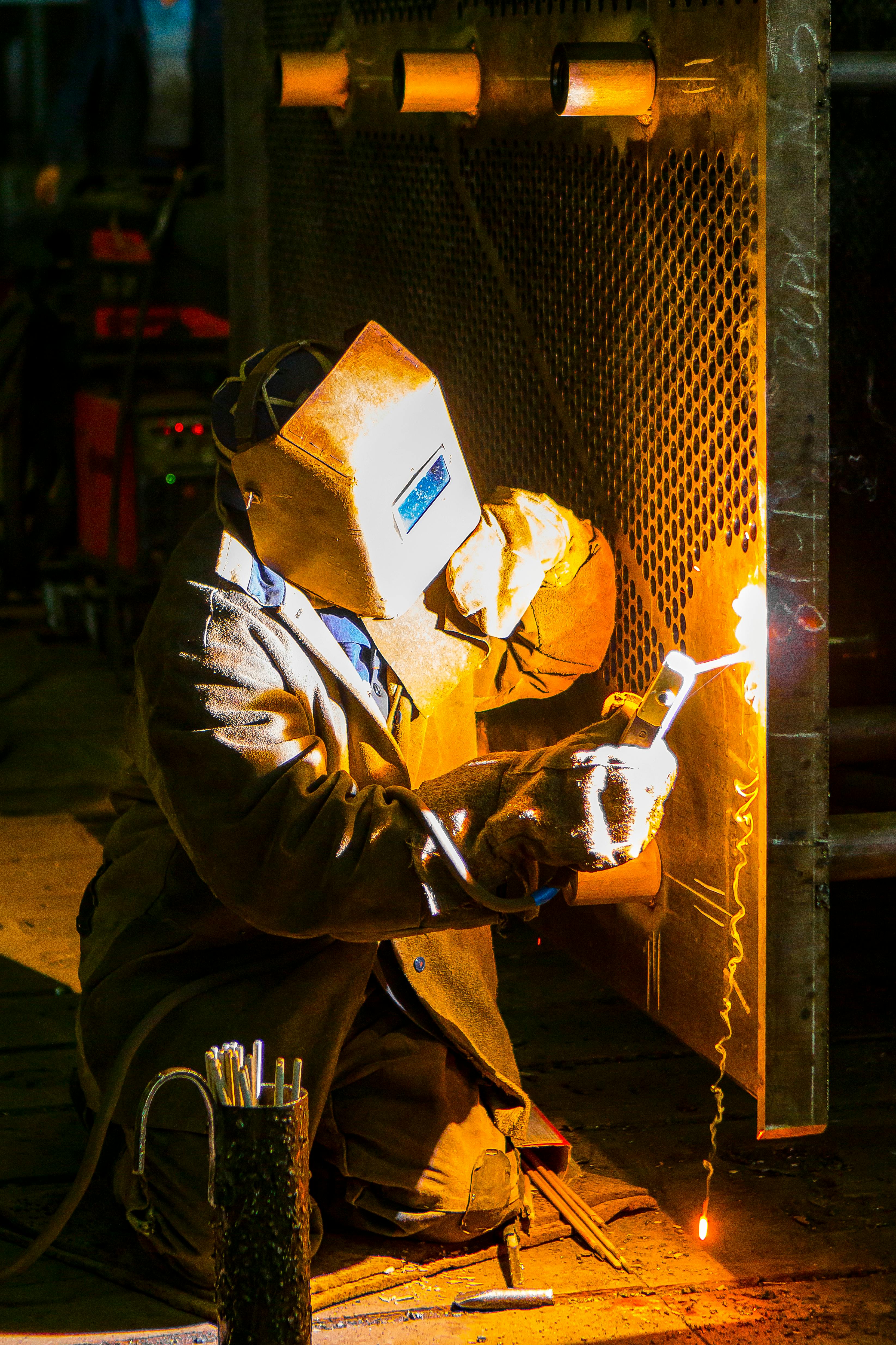
Steel plate being cut with plasma cutter
Heavy crane operation in steel fabrication shop
03 · Heavy-Asset Predictive Maintenance

The crane fails on a Sunday — not a Tuesday.

Vibration, motor-current, and load-cell data feed an AI model. Failure alerts arrive 7-14 days before breakdown. Maintenance becomes planned weekend work. Bay productivity stops being a lottery.

  • ✓ Overhead cranes, plasma cutters, presses
  • ✓ Sensor retrofit on legacy machines
  • ✓ One prevented failure pays back a year of AI
Methodology · 4 phases

How does a steel-fabrication engagement actually run?

Project costing first. Yield tracking second. Heavy-asset AI third. Skip the project-cost foundation and the rest produces interesting reports nobody trusts.

  1. 01

    Project-Cost Foundation

    D365 project mode go-live. Cost ledger, phase structure, time capture, retention rules. Two project closes with us in the room.

  2. 02

    MES + Heat Tracking

    ARC.OPS on the floor. Heat-number capture, weld map, WPS/PQR. Customer-audit-ready in 60 days.

  3. 03

    Yield Programme

    Nesting integration. Per-job yield reports. Power BI dashboards. Monthly improvement targets driven by real numbers.

  4. 04

    Heavy-Asset AI

    AI Predictive Maintenance on cranes, plasma cutters, presses. Sensor retrofit + cloud model. Alerts 7-14 days early.

Ready to cost a project properly?

A one-day fabrication-shop walk. A fixed-fee proposal in 5 working days.

Daxonet principals walk your shop, audit your project workflow, and propose a phased path. No slideware.

Book Shop Walk-Through
Outcomes

What steel fabricators actually ship after Daxonet engages.

3-8%

Material yield gain

Per-job tracking + nesting integration. RM 1.5-4M to the bottom line on RM 50M material spend.

Real-time

Project margin visibility

CFO sees real margin while the welder cuts. Quotes get sharper. Bids get won on the right jobs.

7-14 days

Failure prediction lead

Cranes, plasma cutters, presses. Surprise breakdowns become planned weekend service.

< 30 sec

Heat-trace audit response

From plate to weld to dispatched module. Petronas / oil-and-gas grade audit pack on demand.

100%

Welder qualification compliance

WPS / PQR enforcement at job assignment. Audit findings stop landing on Friday afternoons.

5-9 mo

Typical go-live

For full ERP project-mode + MES + heat tracking on D365. SME AutoCount-based path: 3-5 months.

FAQ

What do clients ask before commissioning this service?

We bid projects on gut-feel because our ERP can't cost a one-off job. How does Daxonet fix that?
D365 SCM in project-manufacturing mode is built for one-off and engineered-to-order work. Each project gets its own cost ledger — labour, material, sub-contract, equipment usage, indirect — rolled up by phase (engineering, cutting, welding, surface treatment, painting, dispatch). Estimating uses historical actuals from past projects, not gut. Quotes get sharper. Margin shows up where it actually is.
Material yield is killing us. Each plate is RM 3,000 and we scrap 8-12%. Can software help?
Yes — through nesting optimisation and yield tracking. ARC.OPS captures actual yield per plate against the nest plan. Power BI surfaces patterns: which operators yield best, which plate suppliers run thicker, which jobs scrap most. Combined with a nesting tool integration, most fabricators recover 3-8% yield in the first 6 months.
Customer wants heat-number traceability on every weld. We chase paper certificates. Help?
Heat-number traceability is configured as a material attribute in D365 / AutoCount. Each plate goes in with its heat number and mill cert PDF attached. ARC.OPS captures which heat went into which weld, which welder did it, which WPS / PQR procedure applied. Customer audit pack is one PDF in 30 seconds — covering Petronas, Sapura, Yinson, MMHE, oil-and-gas clients.
Our overhead crane went down for 4 days last quarter. Whole shop stopped. Can AI help?
Predictive maintenance on heavy assets is among the highest-ROI AI use cases for steel. Vibration sensors, motor-current monitoring, and load-cell data feed an AI model that flags failure 7-14 days early. Same logic on plasma cutters, presses, and shot-blasters.
How does e-Invoice work for project billing? We invoice in stages.
Stage billing (or progress invoicing) is standard in D365 project mode. Each milestone triggers a progress invoice with the right percentage of contract value. Daxonet's e-Invoice middleware submits to MyInvois for each stage. Retention amounts (typically 5-10% held until certificate of practical completion) are tracked separately and released against MyInvois on hand-over.
We're a 50-person fabrication shop. Is D365 overkill?
Probably yes. AutoCount Accounting with Daxonet's project-extension templates handles cost-per-job, heat-number tracking, and progress billing. ARC.LITE (free) on the shop floor adds digital work orders and basic OEE.
How do you handle WPS / PQR for welder qualification?
Welder qualification is captured as an operator attribute in ARC.OPS. Each welder has their certified WPS (welding procedure specifications) and PQR (procedure qualification records) on file with expiry dates. The system blocks job assignment to a welder whose certification has lapsed — and alerts the QC manager 30 days before expiry. Saves audit findings and customer rework.
Ready to start?

Book a 45-minute briefing with a Daxonet principal.

We review your current state, map a phased path to your target outcome, and tell you honestly whether we are the right partner — or who is.

Hi! What can I do for you?
DAX AI Assistant · Online now