LHDN e-Invoice Phase 4 is LIVE — All Malaysian businesses must comply. Check your compliance →
AI Frontier · Predictive Maintenance

Know your machine will fail 14 days before it actually does.

Daxonet AI Predictive Maintenance puts vibration, temperature, current and acoustic sensors on your critical machines, ingests the signal 24/7, and runs a trained anomaly model that flags bearing wear, motor imbalance, mis-alignment, lubrication breakdown and looseness 7 to 30 days before unplanned downtime hits the floor. Built on Microsoft Azure IoT and Anthropic Claude reasoning, integrated into your CMMS and ERP, deployed on edge hardware in your factory. Pilot live on three machines in 6 weeks.

Industrial pump and motor under predictive sensor monitoring.
30–50%
Unplanned downtime reduction, 6 months in
7–30d
Early-warning lead time before failure
7–30 d
failure lead time
30–50%
less unplanned downtime
24/7
continuous monitoring
9 mo
typical payback
In one paragraph · what this product is

Daxonet AI Predictive Maintenance is a machine-health monitoring system that predicts equipment failure 7 to 30 days before unplanned downtime hits Malaysian factory floors. It deploys vibration, temperature, current and acoustic sensors on critical assets like motors, pumps, fans, gearboxes and compressors, streams the signal continuously to an edge box for ingestion, and runs a trained anomaly-detection model that flags bearing wear, motor imbalance, mis-alignment, lubrication breakdown and mechanical looseness with explainable confidence scores. Alerts route to your CMMS for work-order creation and to your maintenance team via Teams or WhatsApp. Typical clients reduce unplanned downtime by 30 to 50%, extend machine life by 18 to 24 months, and cut maintenance overtime spend by 25 to 40%. Daxonet pilots on 3 critical machines in 6 weeks, scales to the full plant in 8 to 16 weeks, and integrates natively with Microsoft Dynamics 365, Arcstone arc.ops MES and major CMMS platforms used by Malaysian electronics, automotive, F&B, pharma and metal-fabrication manufacturers.

6 sensor signal types

What does the system actually measure on your machines?

Six signal types cover 90% of failure modes on rotating equipment. Daxonet specifies the exact stack per machine during the free audit · you only pay for sensors that earn their keep.

signal · 01

Vibration · triaxial

IEPE accelerometer · SKF · Hansford

Spectrum signature catches bearing wear, imbalance, mis-alignment and looseness. ISO 10816 baselines.

signal · 02

Temperature · RTD

Banner Engineering · Honeywell

Bearing surface, motor casing, oil sump. Trend deltas catch lubrication failure and cooling problems.

signal · 03

Motor current · CT

Schaeffler · Banner · stock CTs

Clamp-on current transformers detect rotor bar damage, broken windings, voltage imbalance.

signal · 04

Acoustic · ultrasonic

UE Systems · Hansford

35–60 kHz airborne emission. Catches lubrication starvation, valve leaks, electrical arcing very early.

signal · 05

Oil quality

Trico · Tan Delta

In-line viscosity, water content, particle counter. Prevents lubrication-induced bearing failures.

signal · 06

Pressure · differential

Honeywell · WIKA

Filter clog, pump cavitation, compressor degradation. Differential between inlet and outlet.

6 standard failure modes

Which failure modes does the model actually detect?

Six classes covered out of the box on rotating equipment. Custom modes for your specific assets are added in 2 to 4 week training cycles after enough labelled history is collected.

mode · 01

Bearing wear · pitting

14–30 d lead

Vibration spectrum signature in BPFI/BPFO frequencies. Catches inner-race and outer-race defects very early.

detection confidence 88%
mode · 02

Motor electrical imbalance

10–21 d lead

Current signature analysis (MCSA). Detects broken rotor bars, stator winding damage, voltage imbalance.

detection confidence 74%
mode · 03

Shaft mis-alignment

7–21 d lead

Vibration at 2× running speed plus axial vibration. Catches angular and parallel mis-alignment.

detection confidence 70%
mode · 04

Lubrication breakdown

7–14 d lead

Acoustic emission and oil sensor delta. Catches bearing starvation before metal-on-metal contact.

detection confidence 60%
mode · 05

Mechanical looseness

14–30 d lead

Multiple harmonics in vibration. Foundation bolts, bearing housing, coupling guard. Easy to schedule.

detection confidence 80%
mode · 06

Pump cavitation

3–10 d lead

Random high-frequency vibration plus acoustic emission. Catches NPSH problems before impeller damage.

detection confidence 42%
End-to-end pipeline

How does an alert actually get to your maintenance team?

Five stages from sensor signal to scheduled intervention. Edge inference means the line keeps running even if internet is down.

stage · 01
continuous

Sense

Sensors stream signal at 1 to 25 kHz to the edge box next to the asset. Triaxial vibration, temperature, current, acoustic.

stage · 02
~50 ms

Stream

Edge box ingests, filters and feature-engineers the signal. FFT for vibration, MCSA for current. Buffered locally.

stage · 03
~200 ms

Predict

Trained anomaly model scores the live features against the asset baseline. Outputs failure mode, confidence and lead time.

stage · 04
~1 s

Alert

Watch / Warning / Critical alert routed to maintenance team via Teams, WhatsApp or email. Includes failure mode and recommended action.

stage · 05
CMMS · ERP

Schedule

Work order auto-created in your CMMS with asset ID, failure mode, recommended intervention, parts and lead time. Logged for audit.

Production savings · typical

What does this actually save us per year?

Typical year-one numbers from Daxonet plant deployments. Actual savings depend on current breakdown frequency, downtime cost-per-hour and asset criticality.

30–50%
unplanned downtime
reduced vs reactive baseline
18–24 mo
machine life extended
critical rotating assets
25–40%
maintenance overtime
cut from emergency calls
9 mo
typical payback
one or two avoided breakdowns
6 manufacturing verticals

Where does this deliver fastest payback in Malaysia?

Six verticals where Daxonet has shipped predictive-maintenance pilots. Each has a starter asset list, sensor recipe and CMMS integration playbook.

Process · F&B · pharma predictive maintenance context
vertical · 01

Process · F&B · pharma

Pumps Compressors Mixers Conveyors
Discrete · electronics predictive maintenance context
vertical · 02

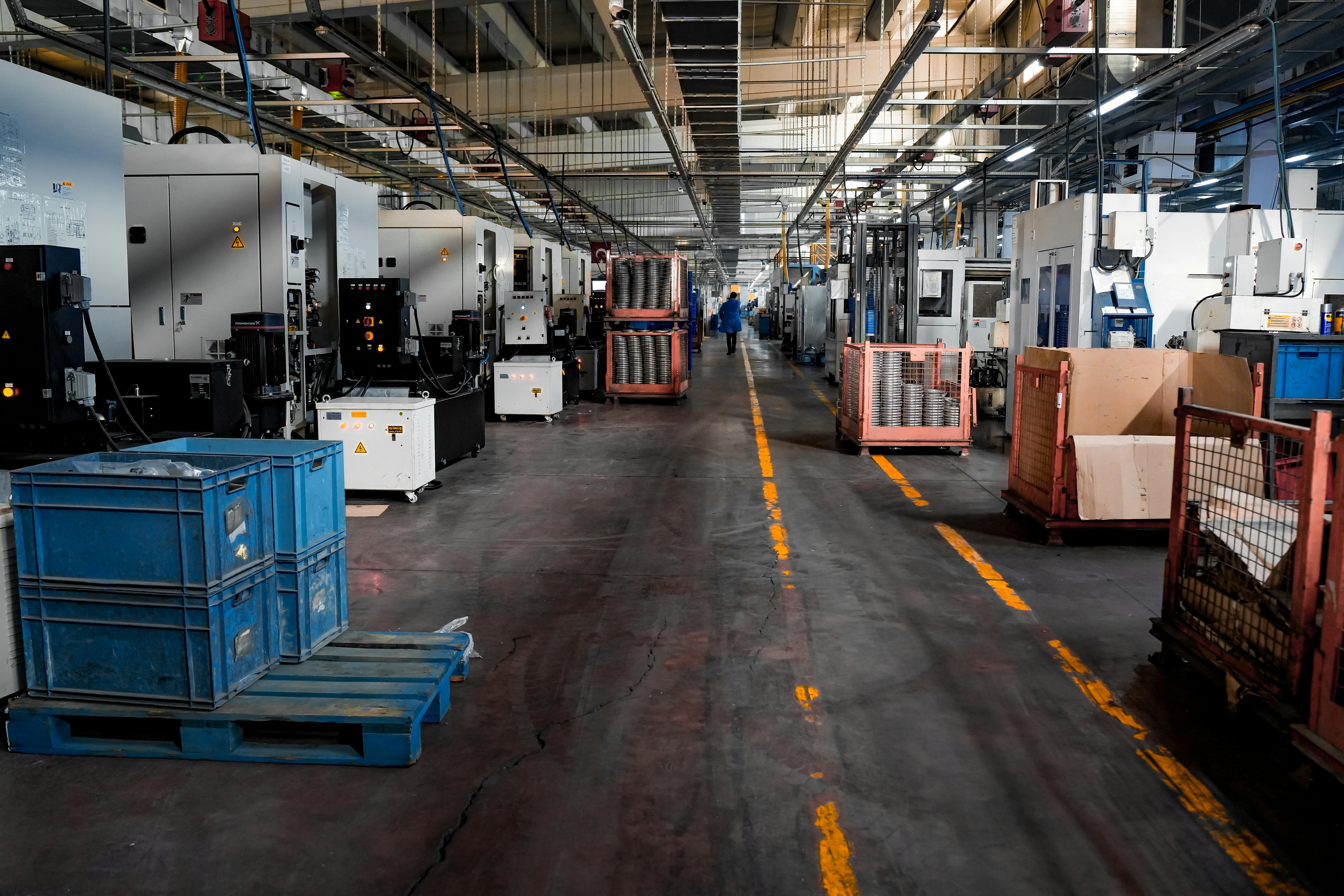
Discrete · electronics

CNC spindles SMT lines HVAC Air compressors
Automotive parts predictive maintenance context
vertical · 03

Automotive parts

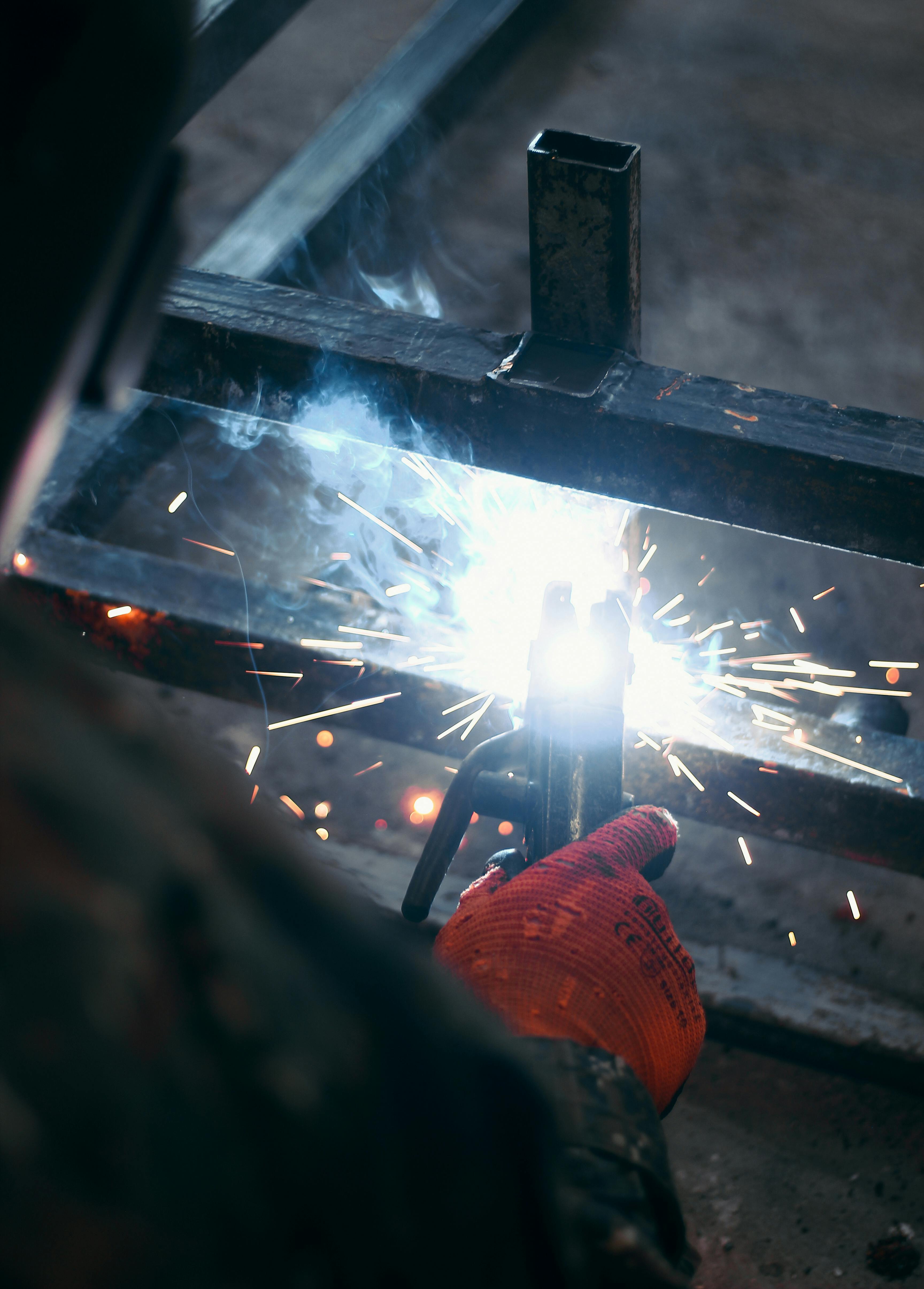
Stamping presses Robots Conveyors Welders
Metal fabrication predictive maintenance context
vertical · 04

Metal fabrication

Hydraulic pumps Fans Crane motors Compressors
Chemicals · process predictive maintenance context
vertical · 05

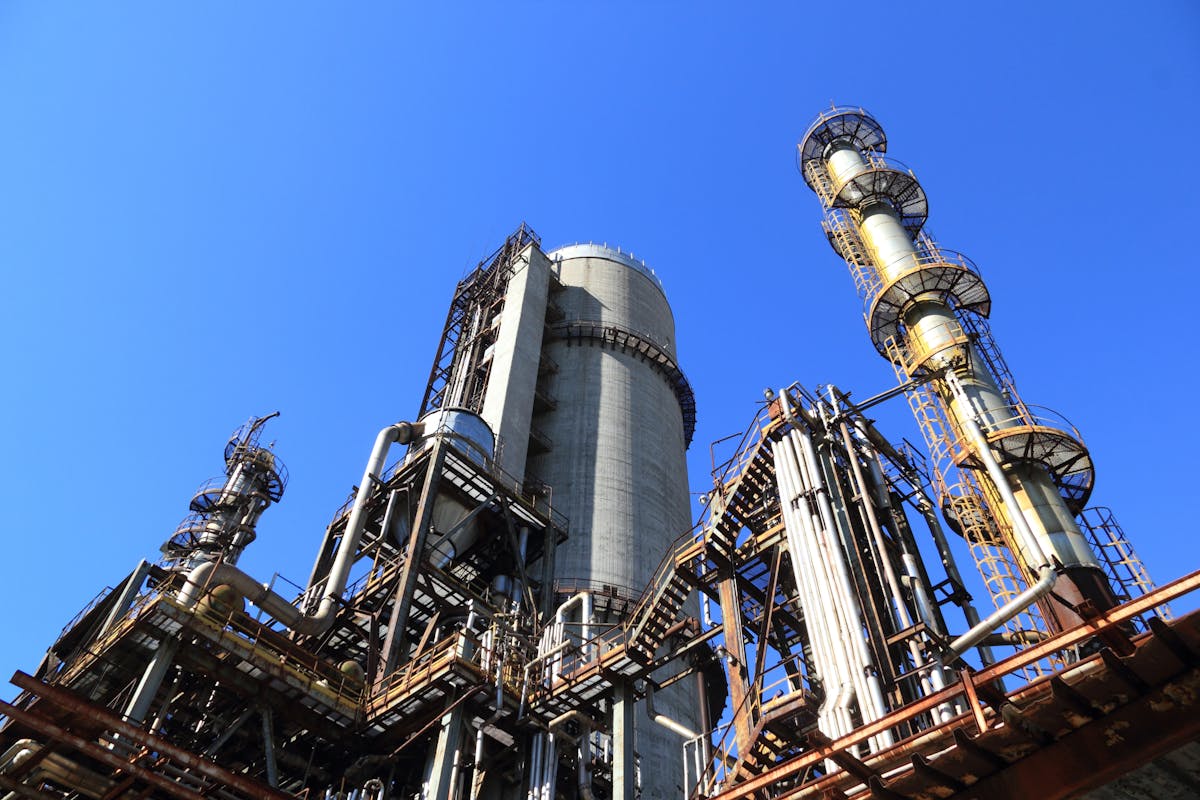
Chemicals · process

Centrifugal pumps Agitators Heat exchangers Compressors
Power · utilities predictive maintenance context
vertical · 06

Power · utilities

Cooling towers Gensets Transformers Pumps
Architecture · integration

How does it integrate with our CMMS, MES and ERP?

Native integration with Microsoft Azure IoT, arc.ops MES, D365 and standard CMMS platforms. Edge-first means production keeps running even if internet is down.

node · 01
Sensor · field
SKF · Banner · Hansford · Honeywell
node · 02
Edge AI
Jetson · NUC · industrial PC
node · 03
Azure IoT · cloud
Storage · retraining · dashboards
node · 04
CMMS · work orders
Maximo · eMaint · UpKeep · Fiix
node · 05
D365 · ERP
Asset cost · OEE · KPIs

Edge-first by design. Anomaly inference runs on the edge box on the factory floor, so machine monitoring keeps working even if internet is down. Cloud is used only for retraining, dashboards and historical analytics · never for real-time alerts.

6-week pilot · live

How long until alerts start hitting our maintenance team?

Six weeks from contract signature to live pilot on three critical machines. Fixed-price after the free machine-health audit.

01
Week 1

Audit

Asset criticality scoring. Sensor specification per machine. Existing PLC and SCADA tag inventory. Free deliverable.

02
Week 2

Install

Sensor mounting, wiring and edge box rack-up next to the line. Power, network, signal validation by Daxonet engineers.

03
Week 3

Baseline

Continuous data collection on healthy machine. Model learns what good looks like for your specific assets.

04
Week 4

Tune

Anomaly model trained on the baseline. Threshold and confidence calibration per machine and per failure mode.

05
Week 5

Integrate

CMMS work-order creation. Alert routing to Teams, WhatsApp, email. Dashboard handed to maintenance planner.

06
Week 6

Live

Supervised parallel run · model alerts but maintenance team also runs normal walkdown. Confidence builds, automation goes live.

FAQ · plant managers ask

Common questions before booking the free machine-health audit.

01Which machines are best suited for AI Predictive Maintenance?
Rotating equipment with measurable failure signatures gets the fastest payback: electric motors, pumps, fans, blowers, gearboxes, compressors, conveyor drives, and CNC spindles. Reciprocating equipment (piston pumps, compressors) and bearings on critical axes also benefit. The system works on assets from 0.5 kW up to 500 kW. The starting question Daxonet asks during the free audit is which 3 to 5 machines, if they fail unplanned, would cause the largest production loss · those become the pilot scope. Static equipment like vessels and pipework is a different problem (corrosion, leak detection) and needs a different sensor stack.
02What can the model actually predict · what failure modes does it cover?
Six standard failure modes are covered out of the box: bearing wear and pitting, motor electrical imbalance, shaft mis-alignment, lubrication breakdown, mechanical looseness, and cavitation in pumps. Each is detected with a different signal: vibration spectrum signatures for bearings and imbalance, current signature for motor faults, oil sensor data for lubrication breakdown, acoustic for cavitation, temperature deltas for cooling and bearing degradation. Custom failure modes specific to your equipment can be added in 2 to 4 week training cycles once enough labelled history is collected.
03How early does the model warn us before actual failure?
Lead time is 7 to 30 days for most rotating-equipment failure modes when sensors are installed correctly and baselines are properly captured. Bearing wear typically gives 14 to 30 days lead time. Motor electrical faults give 10 to 21 days. Lubrication breakdown gives 7 to 14 days. Cavitation gives 3 to 10 days. The system reports both an alert level (Watch, Warning, Critical) and a confidence score, so your maintenance planner can schedule the intervention into the next planned shutdown rather than reacting to an unplanned breakdown.
04What sensors do we need · do we need to retrofit our machines?
Most factories install a combination of triaxial vibration sensors (IEPE accelerometers), surface or RTD temperature sensors, motor current transformers (CTs) clamped on the motor cable, and optional ultrasonic acoustic sensors for valves and bearings. Daxonet works with industrial brands like SKF, Banner Engineering, Hansford, Honeywell and Schaeffler. Wireless sensors are used where cabling is impractical. Existing PLC and SCADA tags are also ingested where available, so you do not duplicate hardware.
05How long until the pilot is live on our first machines?
6 weeks from contract signature to live pilot on 3 critical machines. Week 1 is the asset audit and sensor specification. Week 2 is sensor installation and wiring. Week 3 is baseline data collection (the model learns what healthy looks like for your specific machines). Week 4 is anomaly model tuning and threshold calibration. Week 5 is integration with your CMMS and alert channels (Teams, WhatsApp, email). Week 6 is supervised parallel running where the model alerts but maintenance team also runs their normal walkdown, building trust before automation goes live.
06How does it integrate with our CMMS, ERP or MES?
Native integration with Microsoft Dynamics 365 Supply Chain Management asset management, Arcstone arc.ops MES, and standard CMMS platforms (IBM Maximo, eMaint, UpKeep, Fiix, plus simpler Excel-driven workflows). When the model flags a Warning or Critical alert, a work order is auto-created with the asset ID, predicted failure mode, recommended intervention and estimated lead time. The original signal trace is attached for the technician to verify. PLC, SCADA and OPC UA tag ingestion is also supported for plants that already have data historians.
07Is the data secure · what about our process recipes and IP?
Yes. Sensor data and the trained anomaly model stay on your edge hardware or your private Azure tenant, not on a shared cloud. Daxonet does not use your machine signatures to train models for other clients · this is contractually guaranteed. PDPA controls apply to any human imagery captured incidentally. Audit trail is enabled on every alert and intervention recommendation with 7-year retention by default. Daxonet's security team signs off the architecture before installation, and we provide the documentation your customer audit or compliance officer needs.
08What does AI Predictive Maintenance actually cost us?
Pricing is scoped to your size, modules and integrations. Daxonet quotes fixed-price after a short scoping call so there are no surprises. Most clients reach payback within the same project window.
Free machine-health audit · 30 min

Stop discovering failures during the customer's audit.

Book a free 30-minute machine-health audit. Daxonet's reliability engineer ranks your top 5 critical machines, specifies the sensor stack, and quotes the 6-week pilot fixed-price. No commitment.

Daxonet Group Sdn Bhd · sales@daxonet.com · Petaling Jaya · Johor Bahru

Hi! What can I do for you?
DAX AI Assistant · Online now