LHDN e-Invoice Phase 4 is LIVE — All Malaysian businesses must comply. Check your compliance →
AI Frontier · Machine Vision

Catch every defect at line speed, not after the customer complains.

Daxonet AI Machine Vision Inspection puts a trained computer-vision model on every camera on your production line. Scratch, crack, contamination, missing component, mis-alignment, wrong colour, dent, burr · the model flags it in 30 milliseconds and routes the part to rework before it ever reaches your customer. Built on Anthropic, Microsoft and OpenAI vision stacks, deployed on edge hardware in your factory, integrated into your MES and ERP. Pilot live on one line in 4 weeks.

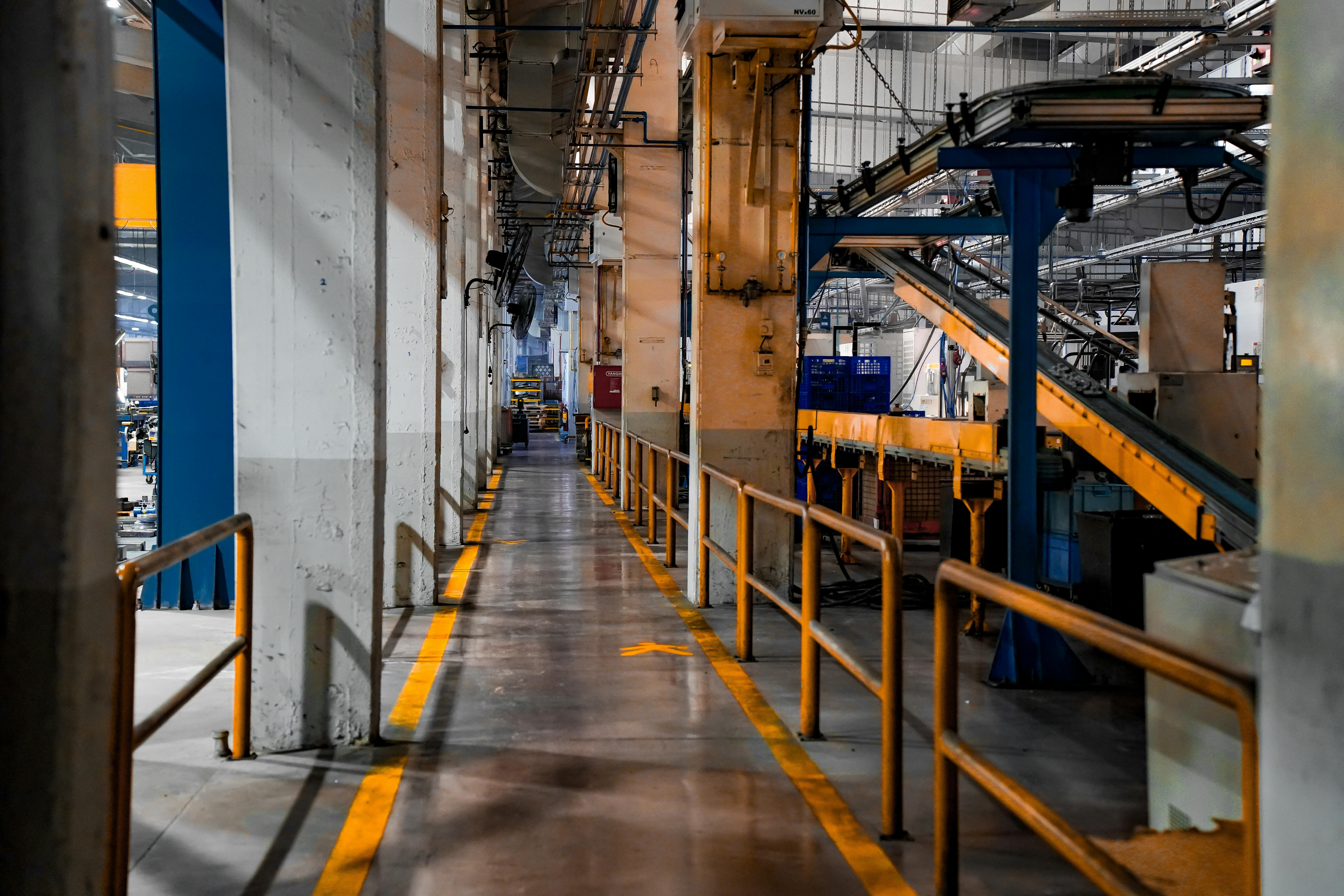
Quality inspection line at a Malaysian electronics factory.
99.4%
Defect detection accuracy on tuned lines
24/7
Consistent inspection — no fatigue, no drift
99.5%
inspection accuracy
30 ms
detection latency
24/7
uptime · no fatigue
4 wk
pilot to live
In one paragraph · what this product is

Daxonet AI Machine Vision Inspection is a computer-vision quality system that replaces or augments human visual inspection on production lines for Malaysian manufacturers. It runs trained vision models on edge hardware connected to existing factory cameras, detects defects across 8 standard categories (scratch, crack, contamination, missing component, mis-alignment, wrong colour, dent, burr), classifies each part as Pass, Rework or Reject in 30 milliseconds at line speed, logs every decision with the original image to your MES or ERP for traceability, and operates 24/7 without fatigue or inconsistency. Typical accuracy is 99.5% versus 92 to 96% for tired human inspectors at hour 6 of a shift. Daxonet pilots on a single line in 4 weeks, scales to the rest of the factory in 8 to 12 weeks, and integrates natively with Microsoft Dynamics 365, Arcstone arc.ops MES and major PLC and SCADA systems used in Malaysian electronics, automotive, F&B, pharma, metal fabrication and textile factories.

8 standard defect classes

What kinds of defects can the model detect?

Eight categories tuned for Malaysian electronics, automotive, F&B and metal manufacturing. Custom defect types can be added in 1 to 2 week training cycles.

class · 01

Surface scratch

trained · live
class · 02

Hairline crack

trained · live
class · 03

Contamination

trained · live
class · 04

Missing component

trained · live
class · 05

Mis-alignment

trained · live
class · 06

Wrong colour

trained · live
class · 07

Dent · deformation

trained · live
class · 08

Burr · rough edge

trained · live
Inspection pipeline

How does an inspection actually flow through the system?

Four stages, end-to-end in 30 milliseconds. Capture, detect, decide, act · then logged for traceability.

stage · 01
~5 ms

Capture

Industrial camera or existing IP camera takes a high-resolution image of the part as it crosses the trigger line. Lighting is calibrated by Daxonet during install for stable pixels.

stage · 02
~22 ms

Detect

Edge AI runs the trained vision model on the captured image. Bounding boxes drawn around defects, each with a class label and confidence score above the configured threshold.

stage · 03
~2 ms

Decide

Rule engine maps detections to a verdict: Pass, Rework or Reject. Customer-specific tolerance rules and per-part-family thresholds are applied. Borderline cases escalate to human review.

stage · 04
~1 ms

Act

PLC signal triggers the diverter on Reject. MES logs the decision plus the original image. ERP captures the cost-of-quality. Operator dashboard updates in real time.

Production performance

How does it actually compare to a human inspector?

Numbers from live Daxonet deployments at Malaysian factories. Human comparison based on industrial-engineering studies of inspection fatigue.

99.5%
inspection accuracy
vs 92–96% tired human at hr 6
30 ms
detection latency
keeps line speed >2000 parts/hr
100%
parts inspected
vs 5–10% manual sampling
On request
cost per inspection
vs traditional cost
6 manufacturing verticals

Which Malaysian industries does Daxonet deploy this in?

Six verticals where vision inspection delivers fastest payback. Each has a starter defect taxonomy, integration recipe, and reference customer where applicable.

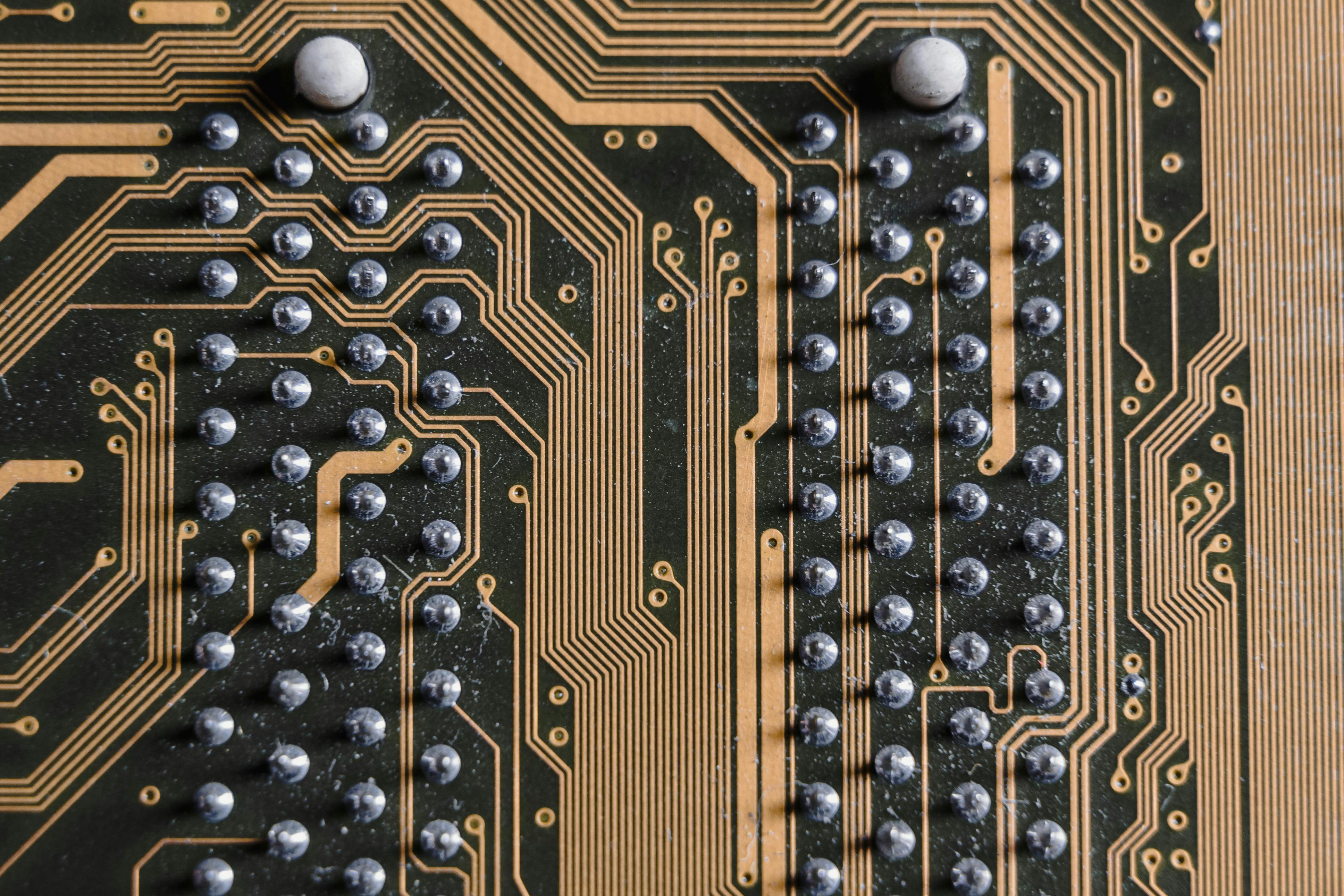
Electronics · PCBA inspection context
vertical · 01

Electronics · PCBA

Solder bridge Missing IC Mis-alignment Lifted lead
Automotive parts inspection context
vertical · 02

Automotive parts

Casting porosity Burr Dent Wrong colour
F&B packaging inspection context
vertical · 03

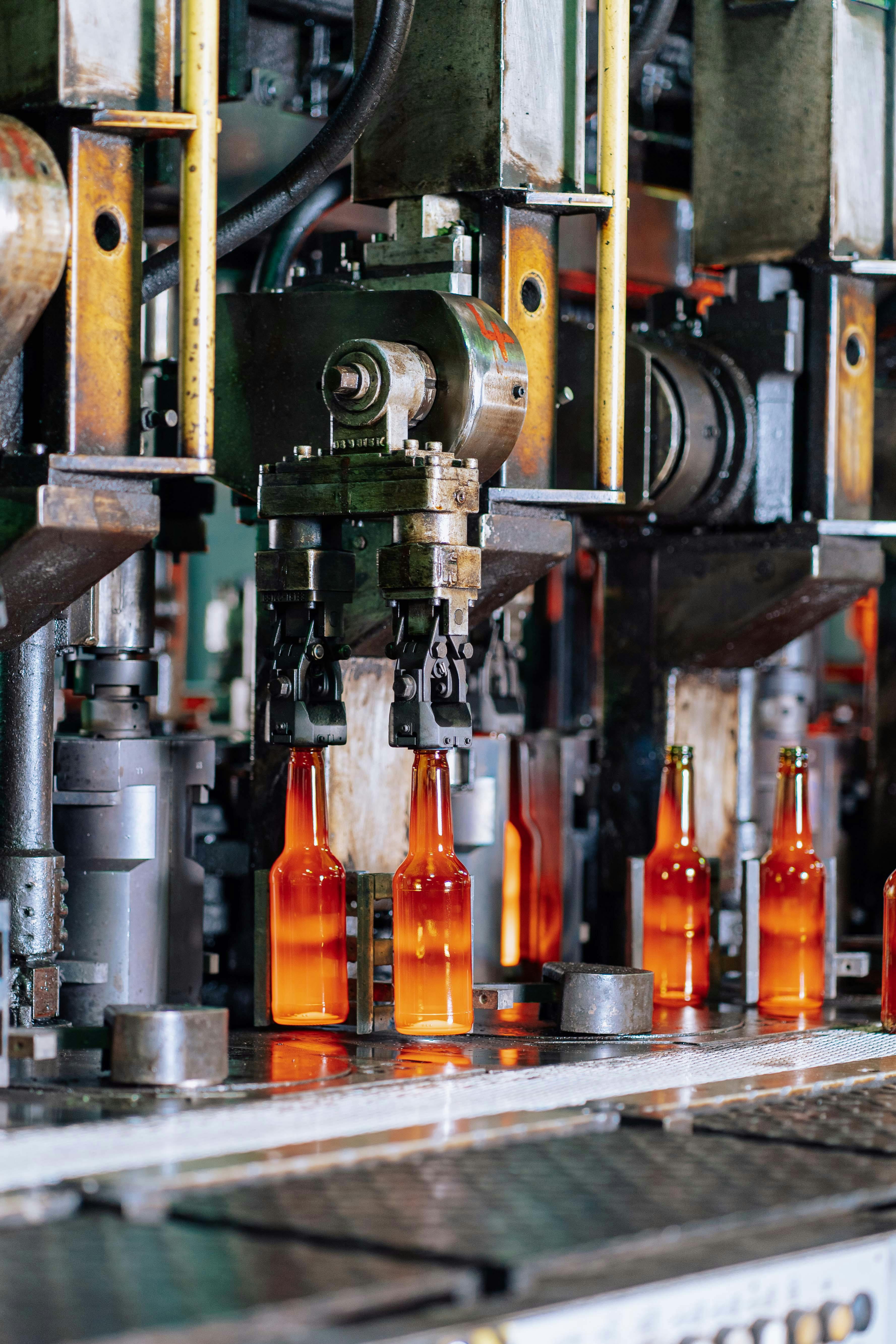
F&B packaging

Seal defect Label mis-print Foreign object Wrong fill
Pharma · medical inspection context
vertical · 04

Pharma · medical

Vial crack Cap seating Print defect Particulate
Metal fabrication inspection context
vertical · 05

Metal fabrication

Weld porosity Surface scratch Dimensional Burr
Textile · garment inspection context
vertical · 06

Textile · garment

Stitch defect Fabric flaw Stain Colour batch
Architecture · integration

How does it integrate with our PLC, MES and ERP?

Native integration with arc.ops MES, D365, and standard industrial protocols. Edge inference means the line keeps running even if internet is down.

node · 01
Camera
Basler · Cognex · Hikrobot · IP cam
node · 02
Edge AI
Jetson · NUC · industrial PC
node · 03
PLC · diverter
OPC UA · Modbus · EthernetIP
node · 04
arc.ops · MES
Image + verdict + audit
node · 05
D365 · ERP
Cost-of-quality · KPIs

Edge-first architecture. Inference runs on the edge box next to the line, so production keeps running even if internet is down. Cloud is used only for model retraining and management dashboards · never for real-time inspection decisions.

4-week pilot · live

How long until the pilot runs on our line?

Four weeks from contract signature to live pilot on one production line. Fixed-price after the free scoping call.

01
Week 1

Capture

Daxonet captures 5,000 to 10,000 images of good parts and known defect samples on your line. Lighting, fixturing and trigger logic finalised.

02
Week 2

Train

Vision model trained on your images. Validated against your historical defect rates. Threshold and confidence tuning per part family.

03
Week 3

Install

Edge hardware mounted next to line. Camera positioned and calibrated. Integration with PLC, MES or ERP for Pass-Rework-Reject signals.

04
Week 4

Live

Supervised parallel run · model inspects every part, humans make final call. Confidence builds, then automation goes fully live.

FAQ · plant managers ask

Common questions before booking the free pilot scoping call.

01What kinds of defects can AI Machine Vision Inspection actually detect?
The standard model covers 8 defect categories tuned for Malaysian manufacturing: surface scratches, hairline cracks, contamination and foreign particles, missing or wrong components on assemblies, mis-alignment and orientation errors, wrong colour or print, dents and deformation, and burrs or rough edges from machining. Daxonet trains the model on your specific parts during the 4-week pilot, so by the time it goes live, it has seen thousands of real images of your good parts and your known defect types. Custom defect categories beyond the standard 8 can be added in training cycles of 1 to 2 weeks each.
02How accurate is the system compared to a human inspector?
Typical production accuracy is 99.5% with a false-reject rate under 0.5%. A trained human inspector at the start of a shift hits 96 to 98%, but accuracy drops to 92 to 94% by hour 6 of a shift due to visual fatigue. The vision model does not get tired and inspects every single part, not the typical 5 to 10% sampling rate of manual inspection.
03How fast is the inspection · can it keep up with our line speed?
Standard latency is 30 milliseconds per part on edge hardware, which keeps up with line speeds above 2000 parts per hour. For higher-speed lines, Daxonet deploys multiple cameras in parallel or uses GPU-accelerated edge boxes that run at sub-10 millisecond latency. The system is designed to never become the bottleneck on your line. If your throughput exceeds the model speed, Daxonet adds capacity rather than degrading inspection quality.
04What hardware does this run on · do we need to buy new cameras?
In most cases, your existing factory cameras are sufficient. Daxonet works with industrial machine-vision cameras (Basler, Cognex, Hikrobot, Omron) and standard IP cameras with adequate resolution. The AI runs on edge compute boxes that we install next to the line · Nvidia Jetson, Intel NUC with iGPU, or industrial PCs depending on speed and environment. No cloud is required for inference, so your factory keeps running even if internet is down. Cloud is used only for model retraining and dashboard reporting.
05How long until the pilot is live on our first line?
4 weeks from contract signature to live pilot on one production line. Week 1 is data collection · Daxonet captures 5000 to 10000 images of good parts and known defect samples on your line. Week 2 is model training and validation against your historical defect rates. Week 3 is edge hardware installation, camera positioning, and integration with your PLC, MES or ERP for the Pass-Rework-Reject signals. Week 4 is supervised parallel running where the model inspects but humans still make the final call, so your team trusts the output before automation goes fully live.
06How does it integrate with our MES, ERP or PLC?
Native integration with Arcstone arc.ops MES, Microsoft Dynamics 365 Supply Chain Management, and standard PLC protocols (OPC UA, Modbus, EtherNet/IP). The vision system publishes Pass-Rework-Reject signals to your PLC for automated reject diversion, logs every decision plus the original image to your MES for traceability and audit, and feeds aggregate quality metrics to your ERP for cost-of-quality reporting. SCADA and Ignition integrations are also supported. If your customer requires PPAP or audit traceability, the image plus decision plus model version is retained for the contracted retention period.
07Is the inspection data secure · what about our intellectual property?
Yes. The vision model and the training images stay on your edge hardware or your private Azure tenant, not on a shared cloud. Daxonet does not use your part images to train models for other clients · this is contractually guaranteed. PDPA controls apply to any human imagery captured incidentally. Audit trail is enabled on every inspection decision with 7-year retention by default. Daxonet's security team signs off the architecture before installation, and we provide the documentation your auditor or customer compliance officer needs.
08What does a typical AI Machine Vision Inspection deployment cost?
Pricing is scoped to your size, modules and integrations. Daxonet quotes fixed-price after a short scoping call so there are no surprises. Most clients reach payback within the same project window.
Free pilot scoping · 30 min

Stop catching defects after the customer complains.

Book a free 30-minute pilot scoping call. Daxonet's vision engineer maps your defect taxonomy, validates camera positioning, and quotes the 4-week pilot fixed-price. No commitment.

Daxonet Group Sdn Bhd · sales@daxonet.com · Petaling Jaya · Johor Bahru

Hi! What can I do for you?
DAX AI Assistant · Online now