LHDN e-Invoice Phase 4 is LIVE — All Malaysian businesses must comply. Check your compliance →
Industries · Electrical Equipment Manufacturing

Electrical Equipment Manufacturers in Malaysia: ERP that handles the BOM as carefully as the engineer drew it.

Electrical and electronics manufacturing lives or dies on BOM control. One wrong capacitor, one obsolete sub-component, one untraceable solder joint — and the field failure traces straight back to your factory. Daxonet builds the ERP + MES stack for switchgear, transformer, motor, control-panel, PCB assembly, and EMS operations across Malaysia — engineering-change-aware, component-genealogy-aware, MNC-supply-chain-grade.

Component-level
Genealogy + traceability
ECN-aware
Engineering-change controls
MNC-grade
Tier-1/2 supply compliance
PCB to panel
Across the full stack

Daxonet implements ERP and MES for Malaysian electrical and electronics manufacturers — switchgear, transformers, motors, control panels, PCB assembly, electronics manufacturing services (EMS), and consumer electronics. The stack uses Microsoft Dynamics 365 SCM (or AutoCount Accounting for SMEs) with Arcstone ARC.OPS MES configured for electronics workflows — BOM-version control with engineering change notice (ECN) workflows, component-level lot/serial genealogy, AOI integration, AI machine vision for solder-joint inspection, and MNC supply-chain reporting (Bosch, Panasonic, Continental, Honda, Toyota formats). Engagements run 5-10 months for full ERP + MES integration with 30-60% defect-escape reduction and full Tier-1/Tier-2 traceability.

The Reality

Three problems that quietly compound in electrical and electronics manufacturing.

Each starts as a small annoyance. Each ends as a customer credit, a recall, or a lost contract.

BOM revisions don't match reality.

Engineering says revision C. Production builds revision B because that's what was in the kitting station. Quality finds out at FAT. By then, 200 units are wrong and the customer is on a video call.

A bad component reel got built into something. You don't know what.

Supplier issues a recall on capacitor lot ABC. You used the lot last month. Without component-to-serial traceability, you recall 8,000 finished units instead of the 240 actually affected.

Every customer wants reports in a different format.

Bosch wants IPC-1782. Continental wants PPAP-style. Panasonic wants their own. Your team maintains five spreadsheets for five customers. Half the EMS-margin discussion is reporting overhead.

The Stack

BOM control. Component traceability. Customer-specific reporting. One stack.

Electrical and electronics manufacturing demands more rigour at the data layer than any other discrete category. Daxonet configures it at depth.

BOM & ECN control

D365 SCM / BC with formal ECN workflow. Versioned BOMs, effectivity dates, automatic routing of changes to production. Operator screens always show the right revision.

Component-to-serial genealogy

ARC.OPS MES capturing reel-and-feeder data at every SMT machine, manual scans at hand-place stations. Full vertical traceability from component lot to dispatched serial.

AOI / AI Machine Vision

AOI integration + AI Vision on solder-joint inspection, component-presence checks, label-orientation, polarity. Catches what human inspectors miss in late shifts.

Methodology · 5 phases

How does an electrical-equipment engagement actually run?

Engineering data first. Shop-floor execution second. Customer reporting third. The order matches how value lands — and how risk reveals itself.

  1. 01

    Engineering Data

    Audit BOMs. Standardise revision control. Migrate from Excel/PDM to ERP. Lock the source of truth.

  2. 02

    ECN Workflow

    Configure engineering change notices end-to-end. Approval, effectivity, production hand-off. Stop the silent BOM drift.

  3. 03

    MES Pilot

    ARC.OPS on the most complex line. Reel scanning. AOI integration. Operator gate at every station.

  4. 04

    Customer Reporting

    Build the export templates per customer. PPAP, IPC-1782, internal formats. One source, many shapes.

  5. 05

    AI & Stabilise

    AI Machine Vision on critical inspection. Hand-off to managed services. Quarterly review cadence.

Capabilities

What component-level rigour looks like on a working floor.

Three capabilities, each configured during implementation so the data flows correctly from the first build.
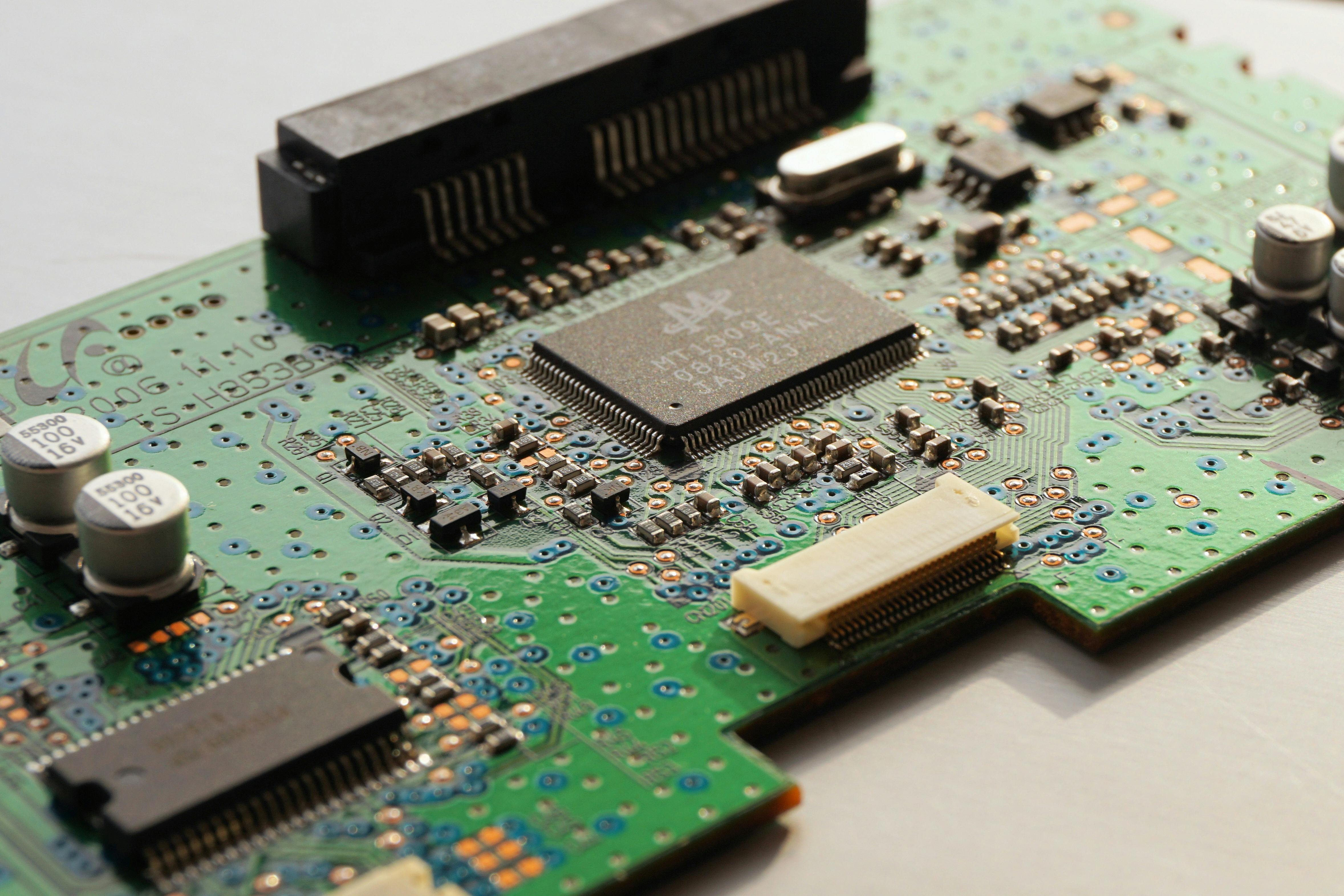
Circuit board with engineering BOM control
01 · ECN Workflow

Engineering changes that actually reach the line.

Versioned BOMs, effectivity dates, automatic routing of changes to production. Operator screens always show the right revision. Silent BOM drift ends.

  • ✓ ECN approval routing in D365 / BC
  • ✓ Effectivity-date enforcement on production orders
  • ✓ Right BOM on operator screen, every shift
02 · Component Genealogy

From reel to dispatched serial.

ARC.OPS captures the component-lot-to-finished-serial relationship at every assembly station. When a recall hits, scope is precise — 240 units, not 8,000.

  • ✓ Reel scanning at SMT pick-up
  • ✓ Manual scans at hand-place stations
  • ✓ Serial-level genealogy queryable in seconds
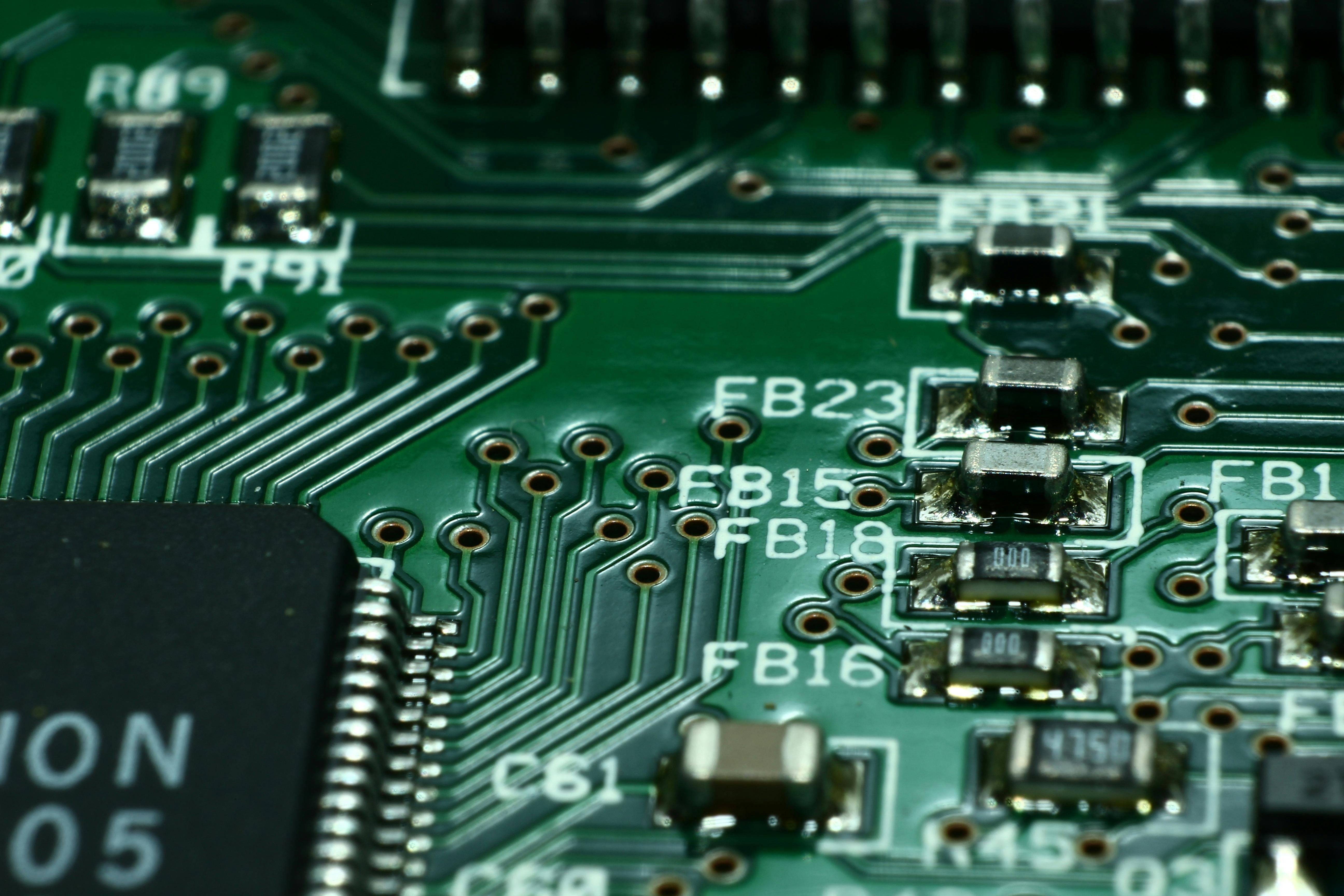
PCB assembly with component traceability
Electronic component inspection with AI vision
03 · AOI + AI Vision

Field failures caught before dispatch.

AOI integration plus AI Machine Vision on solder-joint inspection. Inspection results post automatically against the work order. False-failure analysis becomes a query, not a notebook.

  • ✓ SECS/GEM, IPC-CFX, RS232 connectivity
  • ✓ AI Vision on post-reflow / final-inspect stations
  • ✓ 60-80% field-failure catch on critical defects
Ready to lock down your BOM?

A one-day engineering review. A fixed-fee proposal in 5 working days.

Daxonet principals review your BOMs, ECN flow, and shop-floor integration before naming a number.

Book Engineering Review
Outcomes

What electrical equipment manufacturers actually ship after Daxonet engages.

40-70%

BOM-related defect cut

ECN workflow + station-screen BOM enforcement. The most common defect category, eliminated.

60-80%

Field failure catch (vision)

AI Machine Vision on post-reflow inspection station. Field credits drop within 1-2 quarters.

95%+

Recall scope reduction

Component genealogy turns 8,000-unit blind recalls into 240-unit precise ones.

5-15 hrs

Per-audit time saved

Customer audits, FMD requests, RoHS / REACH evidence — automated reports replace folder-digging.

One

Source per-customer report

Five different customer formats. One unified data layer. EMS margin defended.

5-10 mo

Typical go-live

For full ERP + ECN + MES + AOI integration in a Malaysian electronics operation.

FAQ

What do clients ask before commissioning this service?

We push 30-50 ECNs a month. Our BOM control is in Excel and engineering changes break production. Can ERP fix that?
Yes — and ECN workflow is a core feature in D365 SCM and Business Central. Each ECN is versioned, routed for approval, and applied with effectivity dates. Production orders pre-effectivity use the old BOM; post-effectivity automatically pull the new. Operators see the right BOM on their station screen — no more 'is this revision A or revision B?' confusion. Most electrical manufacturers cut BOM-related defects by 40-70% in the first 6 months.
Our customer wants component-level traceability — they need to know which capacitor lot is in which finished unit. Can MES do that?
Yes. ARC.OPS captures the component-lot-to-finished-serial relationship at every assembly station. Operator scans the component reel barcode at pick-up, system records which reel went into which finished unit. When a component recall hits, you query: 'Which finished serials contain reel ABC-2024-0871?' Answer in seconds. Without it, recall scope balloons from 200 units to 20,000.
We do PCB assembly with AOI and ICT machines. Will the MES talk to them?
Yes. ARC.OPS connects to AOI (automated optical inspection) and ICT (in-circuit test) machines via standard interfaces — SECS/GEM for fab equipment, RS232/Ethernet for older machines, IPC-CFX for modern. Inspection results post automatically against the work order. False-failure analysis becomes a query, not a manual paper-and-pencil exercise.
We're an EMS contract manufacturer. Each customer wants reports in their own format. Can we do that?
Yes — and this is one of the highest-return MES use cases. ARC.OPS captures the data once, exports in customer-specific formats. Bosch's IPC-1782 traceability format. Continental's PPAP genealogy. Panasonic's quality history. Honda's process-capability sheet. All from one source. You stop maintaining parallel reporting per customer — that overhead is what kills EMS margin.
Our solder joints fail in field about 0.3% of the time. AI Machine Vision worth it?
If you're shipping 10,000 units a month, that's 30 field failures — each one a customer-credit cost of RM 200-2000. AI Machine Vision on the post-reflow inspection station typically catches 60-80% of these in-line.
What about RoHS, REACH, and conflict-minerals compliance? Customers ask us all the time.
Material declarations live at the component level in D365 / BC. Each component lot has RoHS / REACH / conflict-minerals certificates attached. The system aggregates declarations to the finished-product level automatically, so when a customer asks for a Full Material Declaration on FG-PSU-1200W, you produce a verified document in seconds. Saves 5-15 hours per customer audit cycle.
We use AutoCount for accounting today. Can we keep it?
Yes. AutoCount handles finance, e-Invoice, and basic inventory just fine. ARC.OPS handles shop-floor execution and component traceability separately. The two integrate via standard APIs — production output and material consumption flow from MES to AutoCount nightly or in real time. Many Malaysian SME electronics manufacturers run this combination. Total stack cost is much lower than full D365.
Ready to start?

Book a 45-minute briefing with a Daxonet principal.

We review your current state, map a phased path to your target outcome, and tell you honestly whether we are the right partner — or who is.

Hi! What can I do for you?
DAX AI Assistant · Online now